Responsive Phenomena
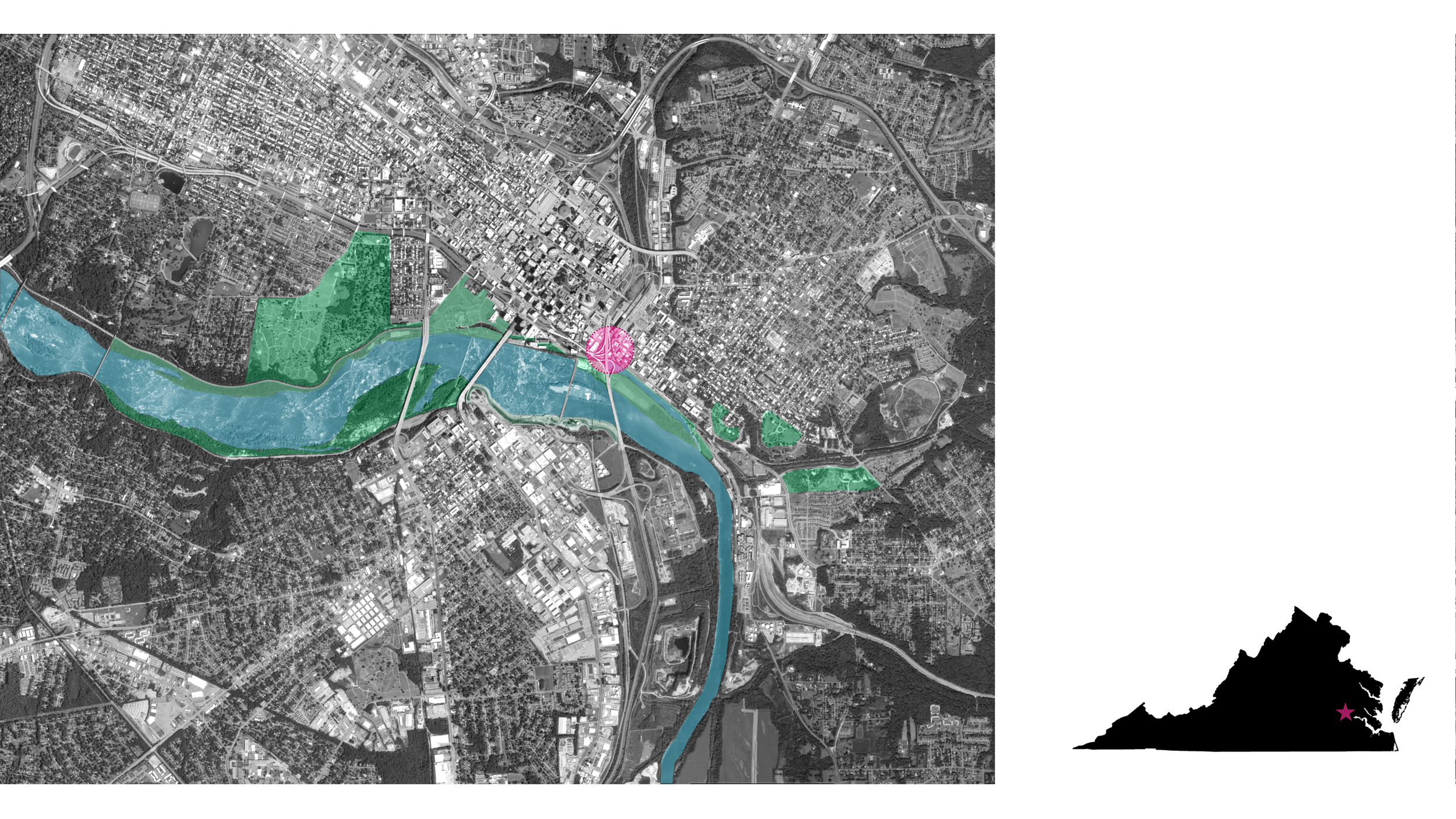
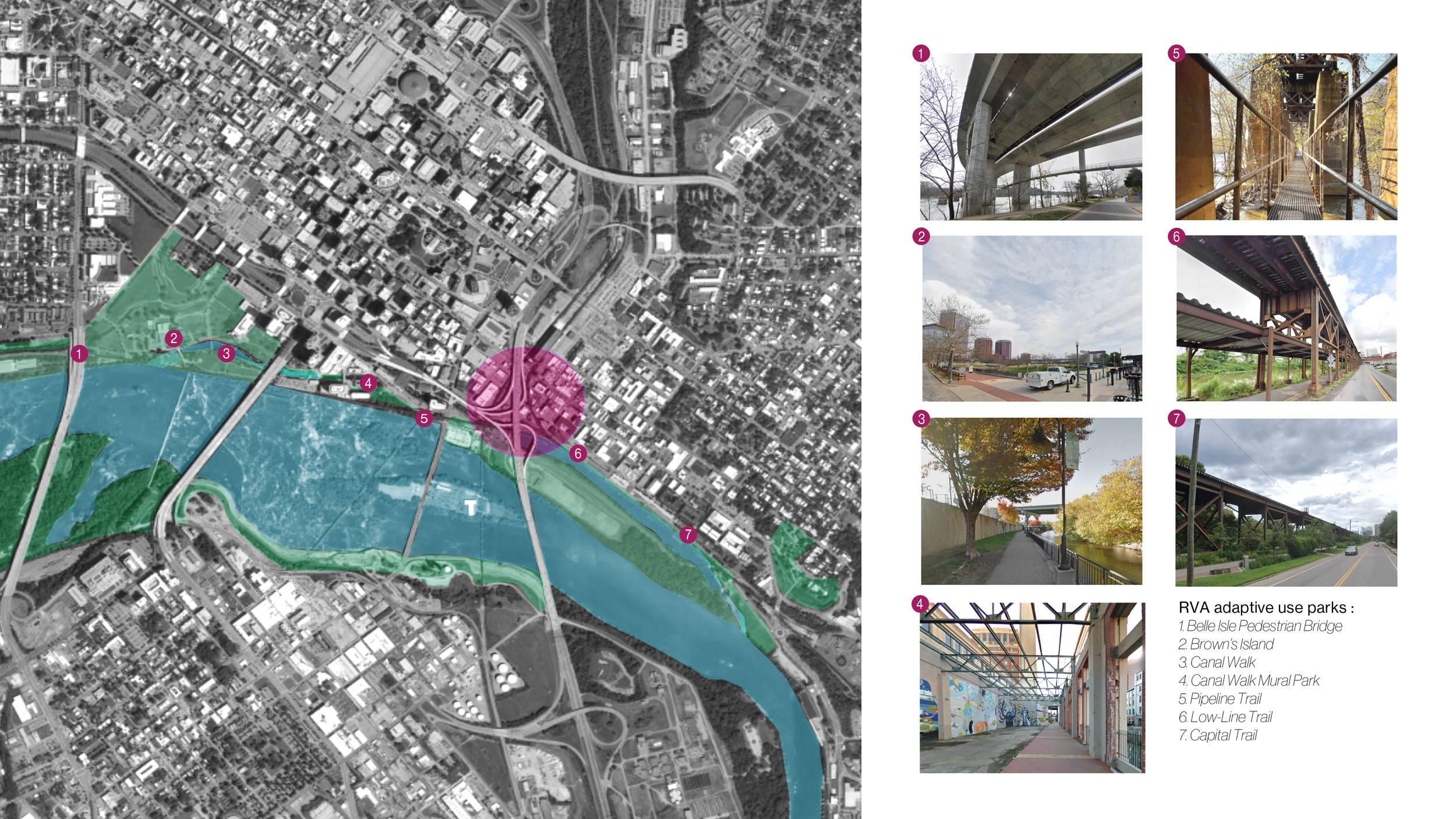
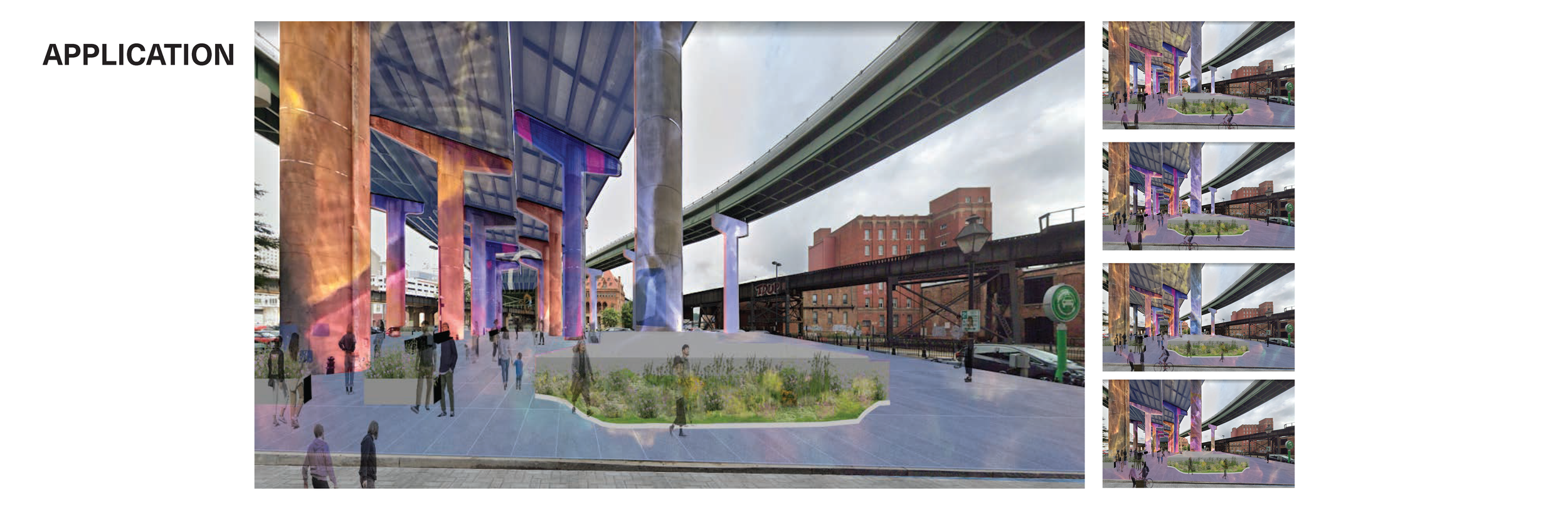
This is my Master's thesis project in which I used film and video as a research tool to explore how people interact with the built environment. Ultimately, I applied my findings to an urban context to explore how virtual spaces can enhance the built environment.
RESEARCH
This project first started with an interest in what that magic element of architecture is—some call it atmosphere, some call it energy, and others call it phenomenology—and how that sense might be maintained with the ever increasing emergence of virtual spaces.
But, to explore the relationship between virtual spaces and atmosphere, one must first answer that big question: What is atmosphere? By extracting a cohesive definition from leading architects and artists this thesis first explored that question and worked towards distilling a general consensus of atmospheric criteria.

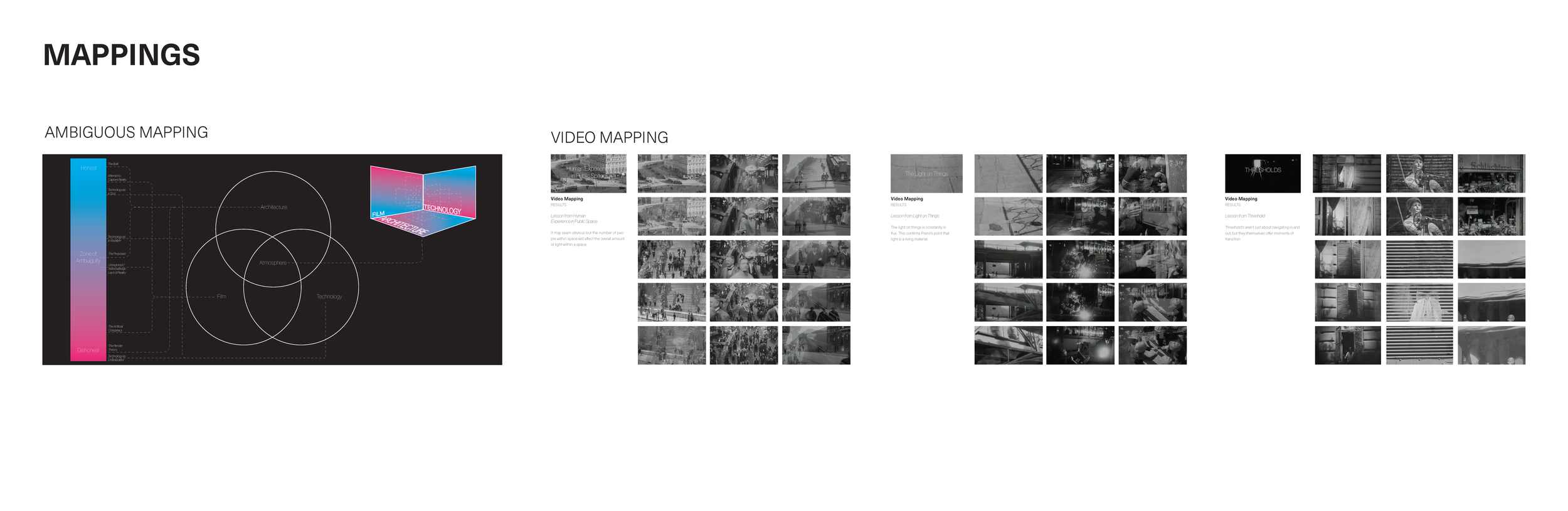
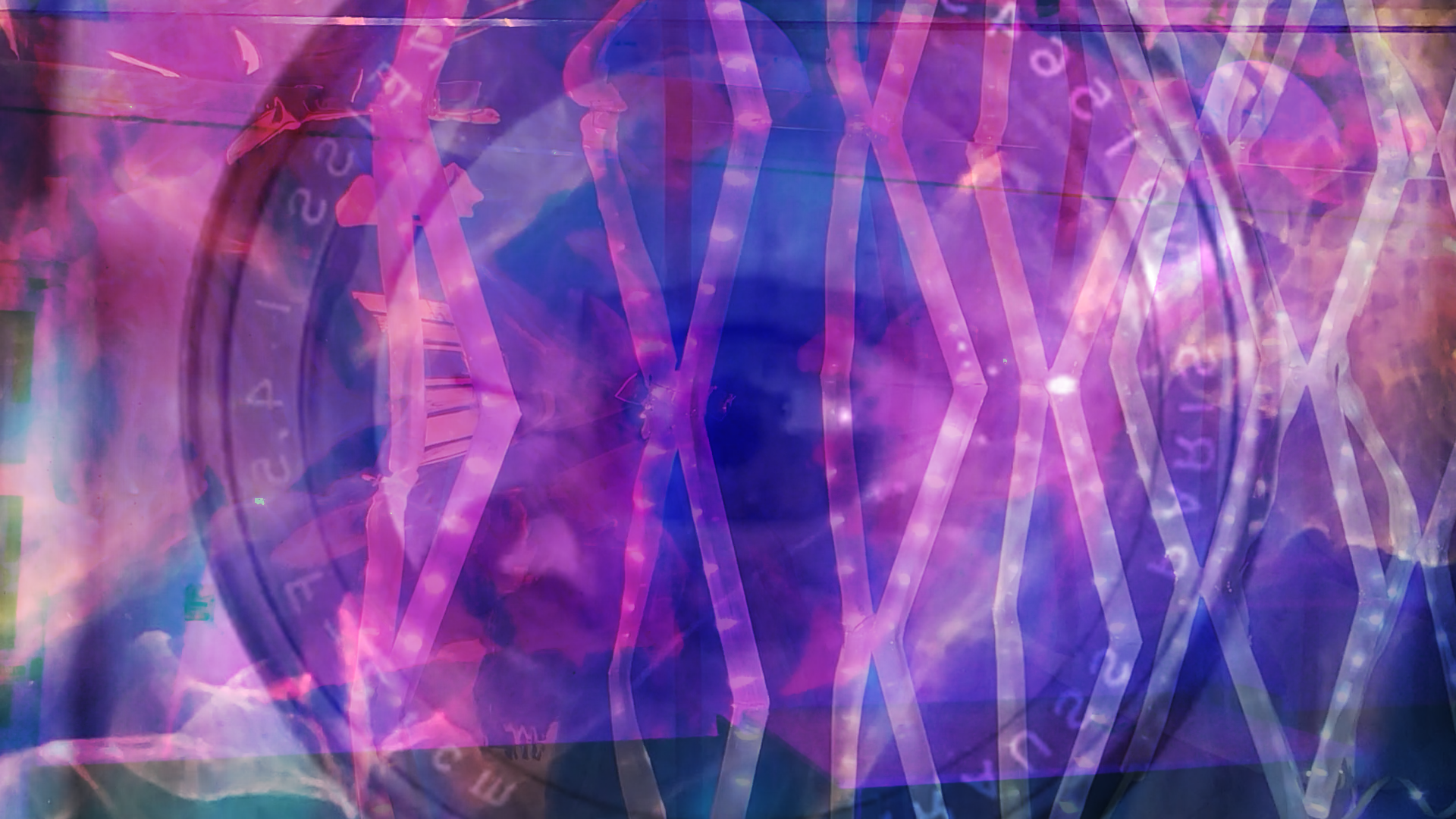
This film was made with footage found within classic city symphonies. By turning found footage into something more abstract, three major principles on phenomenology appeared: light, embodied experience, and tension. This generative process ultimately led to more experimentation with light and material.